



30 Years old and still kicking
Why the GMC Savana Still Works After 30 Years | Rossi GMC
The History: How the GMC Savana Became a Workhorse Icon
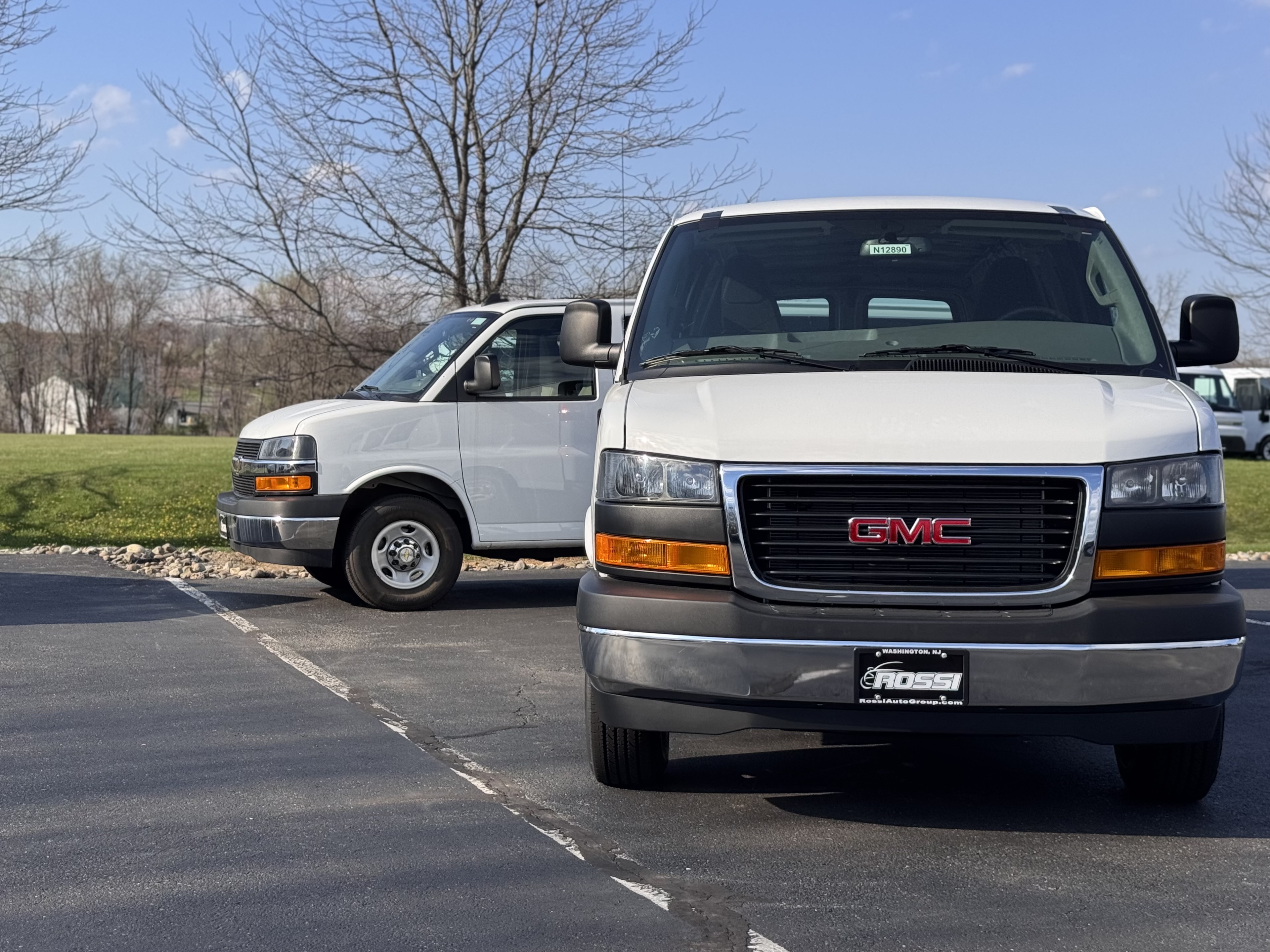
In an industry driven by redesigns, electrification, and constant reinvention, the 2026 GMC Savana stands alone. Nearly 30 years into its current generation—and over 60 years into GM’s van history—it remains one of the most unchanged vehicles you can buy in America. And yet, it continues to sell, continues to work, and continues to earn the trust of businesses across the country.
At Rossi GMC, we hear the same thing from commercial customers again and again: “I don’t need fancy—I need something that works.” That’s exactly what the GMC Savana cargo van has delivered for decades.
The story of the Savana doesn’t start in 1996—it goes back much further. General Motors has been building vans since the early 1960s, starting with models like the Corvair Greenbrier and later the G-Series vans (1964–1996), also known as the Chevy Van and GMC Vandura.
The G-Series Era: The Original Work Vans (1964–1996)
For over 30 years, GM’s G-Series vans dominated American roads. These vans evolved from simple panel vans into highly versatile platforms used for cargo hauling, passenger transport, ambulances, and even custom conversions. Millions were sold to businesses, governments, and families.
By the mid-1990s, GM knew it needed a modernization—but not a reinvention. The goal wasn’t to disrupt what worked. It was to improve it.
1996: The Birth of the Savana and Express
In 1996, GM introduced the all-new platform that still underpins the 2026 GMC Savana today. Built on a rugged body-on-frame chassis and designed for durability, the new vans moved the engine forward and improved cargo space, while keeping the same core philosophy: simple, strong, and serviceable.
That platform—known as GMT600, later updated to GMT610 in 2003—is still in use today. In fact, the Savana/Express has become one of the longest-running single-generation vehicles in automotive history
Why GM Hasn’t Changed the Savana (And Probably Won’t)
At first glance, it might seem surprising that GM hasn’t fully redesigned the Savana in nearly three decades. But once you understand the commercial vehicle market, the answer becomes obvious: it hasn’t changed because it doesn’t need to.
1. Simplicity = Profitability for Businesses
For fleet operators and small businesses, that matters more than touchscreens or redesigns. Less downtime means more productivity—and more profit.
2. Affordability in a Market That Keeps Getting More Expensive
The Savana continues to stand out as one of the most affordable full-size work vans available, making it a go-to option for budget-conscious businesses.
3. Built for Fleets, Not Trends
The Savana isn’t designed for retail trends—it’s designed for fleet stability. Large organizations rely on consistency.
Why the 2026 GMC Savana Still Works Today
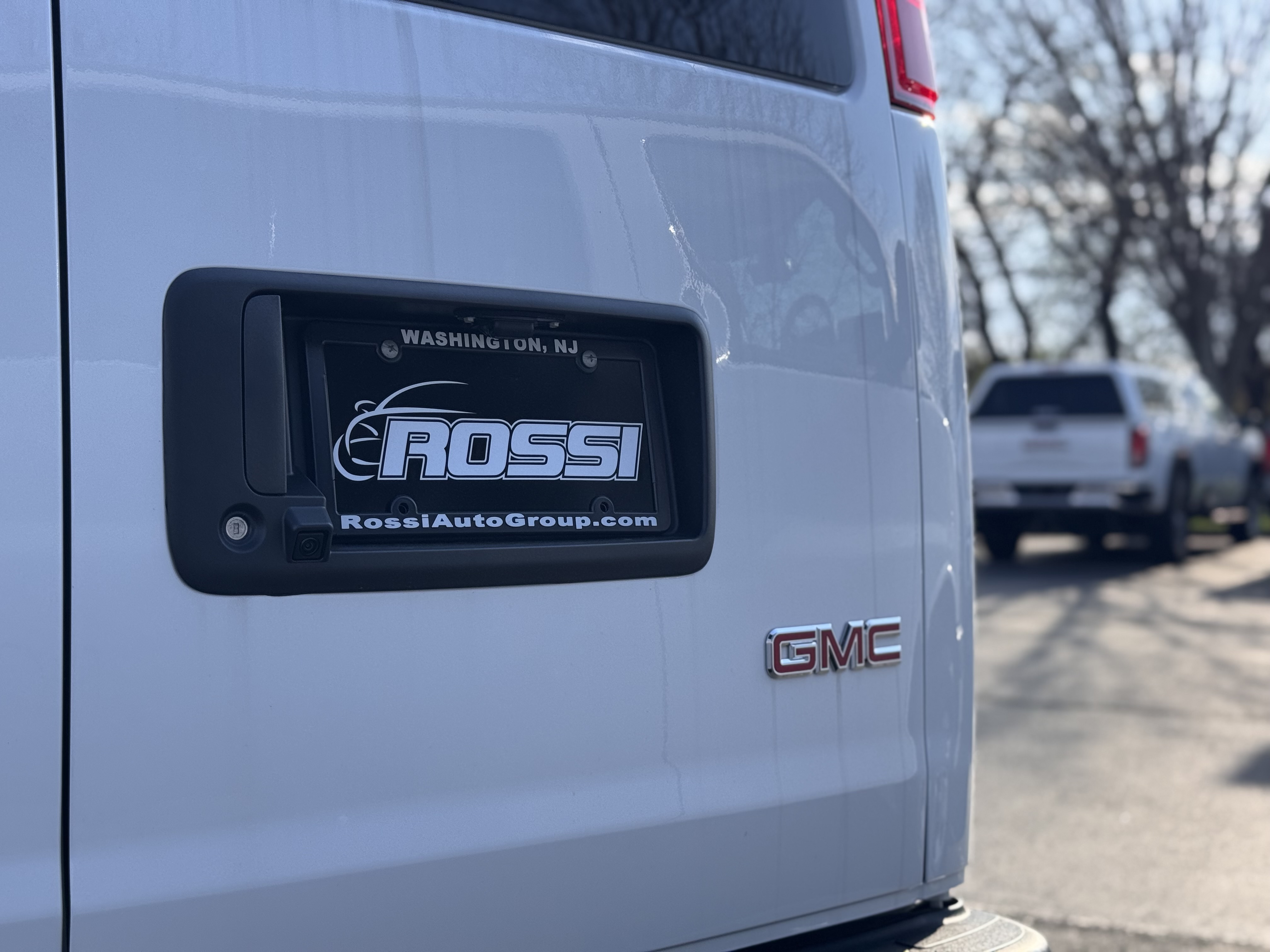
In a world where vehicles are becoming more complex, more expensive, and sometimes less durable, the Savana represents something different: stability.
It’s not trying to be everything. It’s trying to do one job—and do it well: Haul cargo, transport crews, support businesses, and stay on the road for years. That clarity of purpose is exactly why it continues to succeed.
Shop 2026 GMC Savana Inventory at Rossi GMC
If you’re searching for a 2026 GMC Savana for sale near me, Rossi GMC is your trusted destination for commercial vehicles in Washington, NJ. We proudly serve drivers and businesses in Hackettstown, Clinton, Phillipsburg, and Easton, PA.
Explore Savana inventory, deals, and financing, Browse GMC Savana inventory, view commercial vehicle options , check current GMC Savana deals , explore financing and lease options, or just contact Rossi GMC/\.
For over 50 years, Rossi has helped local drivers and businesses find vehicles they can depend on. When you choose Rossi GMC, you’re not just buying a van—you’re working with a dealership that understands what reliability really means.

May not represent actual vehicle. (Options, colors, trim and body style may vary)
The Manufacturer's Suggested Retail Price excludes tax, title, license, dealer fees and optional equipment. Dealer sets final price.